Restore Accurate Readings With Tank Monitoring System Repair
When tank monitoring equipment stops reporting or displays inaccurate inventory levels, commercial facilities lose access to information needed for daily operations. Faulty sensors, communication failures, and incorrect configuration settings can make it difficult to determine how much fuel or chemical inventory remains in storage. Missing alerts may also prevent personnel from recognizing changing tank levels when attention is needed. These problems can disrupt delivery planning, increase manual inventory checks, and create uncertainty about equipment performance. Replacing an entire monitoring system without identifying the cause can also result in unnecessary expenses.
At Tank Sense, Inc., we provide tank monitoring system repair in Clover, SC, and throughout the Lower 48 states for commercial fuel and chemical storage operations. Our veteran-owned business brings more than 25 years of industry experience to diagnosing monitoring equipment problems and identifying practical service options. We assess sensors, communication components, calibration settings, and monitoring platforms to determine where reporting issues originate. Our familiarity with older and newer technologies helps us recognize when existing equipment may be repaired, reconfigured, or upgraded instead of completely replaced. Whether your system displays inconsistent readings or has stopped communicating, we focus on restoring useful inventory information through careful troubleshooting and hands-on technical support.
Contact our team to discuss your equipment problems and determine the appropriate next steps for restoring monitoring performance.
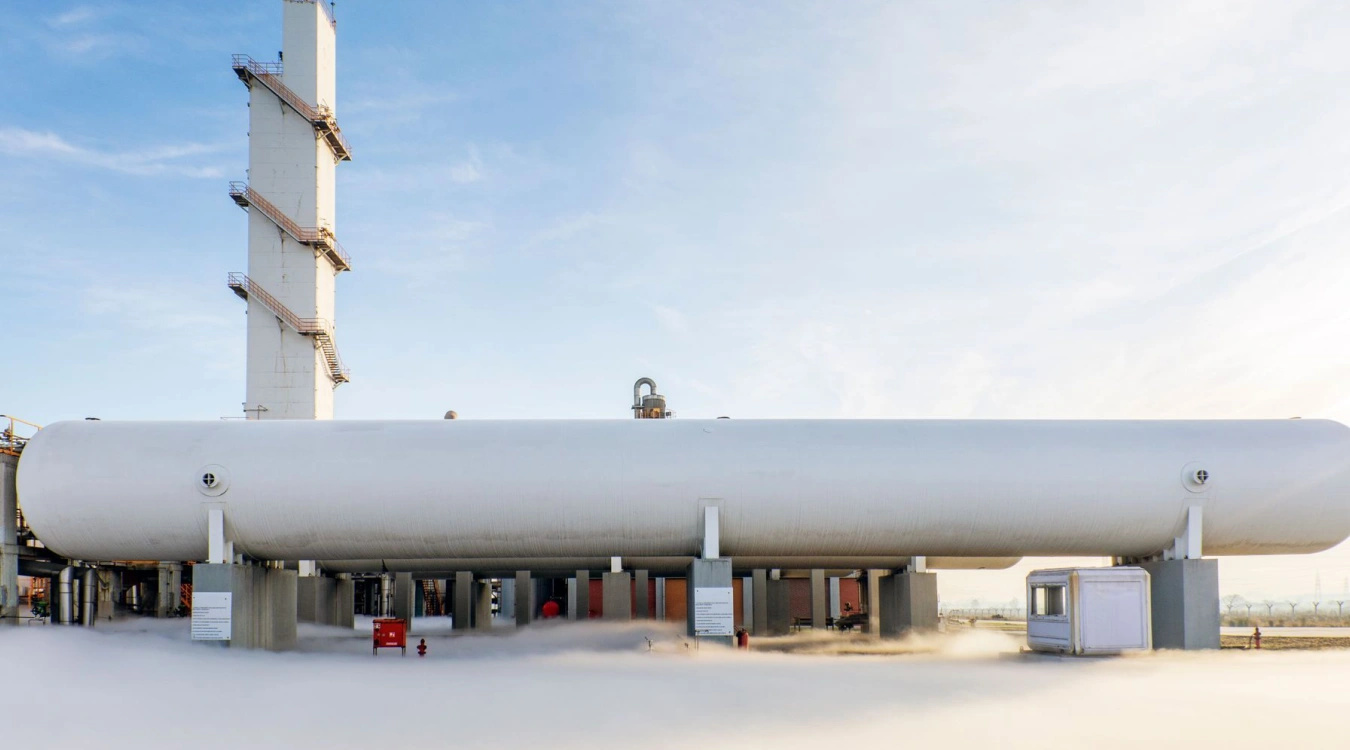
Restore Tank Readings in Clover, SC, and Nationwide
Effective tank monitoring troubleshooting involves evaluating more than one sensor or reporting component. Inaccurate readings may result from calibration errors, damaged equipment, connectivity problems, or incorrect tank configuration settings.
Our team examines how the monitoring components work together before recommending repairs or upgrades. This approach helps commercial customers understand the source of the problem and avoid replacing equipment unnecessarily.
Our services include:
- Inaccurate reading diagnosis: We investigate inconsistent or unexpected inventory measurements by reviewing sensor performance, tank dimensions, calibration settings, and other configuration factors that may affect reported levels.
- Tank level sensor troubleshooting: We examine accessible sensors, connections, mounting conditions, and available diagnostic information to identify potential causes of missing readings, unusual measurements, or interrupted reporting.
- Communication failure assessment: We review reporting equipment, available power, connection status, and compatible monitoring platform settings to determine whether connectivity problems are preventing tank information from reaching authorized users.
- Tank monitoring sensor repair: We assess damaged or malfunctioning components to determine whether compatible adjustments, repairs, or replacement parts can restore monitoring functions without requiring an entirely new system.
- Tank monitoring system upgrades: We evaluate older equipment, current platform requirements, and component compatibility to identify practical upgrades that may improve reporting capabilities or address discontinued technology.
- Alert configuration review: We inspect supported notification settings, reporting intervals, and designated recipients to help identify why configured high- or low-level alerts may not be reaching the appropriate personnel.
Our process begins with a discussion of the reported problem, equipment identification, and an assessment of available diagnostic information. We then investigate likely causes, explain the findings, and recommend suitable service options.
Repair timelines and costs depend on equipment condition, component availability, system accessibility, and the complexity of the problem. We discuss the proposed work after evaluating the system rather than assuming complete replacement is necessary.
For related equipment concerns, we also provide tank monitoring connectivity and alert setup, and tank monitoring maintenance to support ongoing system performance.
Restore Monitoring Performance Without Unnecessary Replacement
A monitoring system that produces inaccurate readings does not always need to be replaced. In some cases, the problem may involve incorrect calibration settings, interrupted communication, damaged connections, or individual components that can be serviced. Identifying the cause before purchasing replacement equipment helps commercial facilities understand their available options and control unnecessary project expenses. Our troubleshooting process evaluates sensors, configuration settings, communication equipment, and reporting functions to determine which areas require attention. By reviewing the complete monitoring setup, we help customers make informed decisions about compatible repairs, adjustments, and equipment upgrades.
At Tank Sense, Inc., we understand the operational challenges that arise when fuel or chemical inventory information becomes unreliable. Our experience with older and newer monitoring technologies allows us to investigate existing equipment while considering practical options for continued use. When replacement components or updated monitoring equipment are needed, we explain the recommended changes and relevant compatibility requirements. We also support fuel tank monitoring and chemical tank monitoring applications requiring specialized sensor and configuration assessments. With hands-on technical knowledge, straightforward communication, and nationwide service coverage, Tank Sense, Inc. is a trusted choice for tank monitoring system repair in Clover, SC, and across the Lower 48 states.
Use our contact form to share your equipment brand, model, reported problems, and facility location so we can discuss your service requirements.
Restore Accurate Tank Readings Today
Missing reports or alerts? Have your sensors, settings, and connections checked.
Frequently Asked Questions About Tank Monitoring System Repair
-
Inaccurate tank readings can result from sensor malfunctions, calibration errors, incorrect tank dimensions, damaged components, or other configuration problems. Environmental conditions and equipment compatibility may also influence measurements. We review the monitoring setup, available diagnostic information, and reported symptoms to identify likely causes. The appropriate correction depends on the equipment, application, and condition of the affected components.
-
Not necessarily. Some problems can be resolved through configuration adjustments, sensor repairs, restored communication, or compatible component replacement. We evaluate the existing equipment before recommending a complete system upgrade. Repair options depend on the system’s age, condition, compatibility, and parts availability. When replacement is necessary, we explain the reasons and discuss suitable equipment options for the application.
-
Yes. Tank Sense, Inc. has experience working with older and newer tank monitoring technologies. We assess the equipment’s condition, available components, communication requirements, and compatibility with current monitoring platforms. Some older systems may continue operating after suitable repairs or adjustments, while others may require upgrades because of unavailable parts or changing technology requirements.
-
Service timelines depend on the reported symptoms, equipment accessibility, diagnostic findings, and availability of compatible replacement components. Some problems may be resolved through configuration changes or adjustments, while damaged equipment or complex communication failures can require additional investigation. We review the available information and discuss the proposed service scope before proceeding with repairs or upgrades.
-
Helpful information includes the monitoring equipment brand and model, a description of the problem, any displayed error messages, and when the issue began. Details about the stored material, tank configuration, and facility location can also support the assessment. If available, photographs of the equipment and examples of inaccurate readings or missing reports may help our team understand the symptoms before arranging service.